1. Yellowknife, Northwest Territories
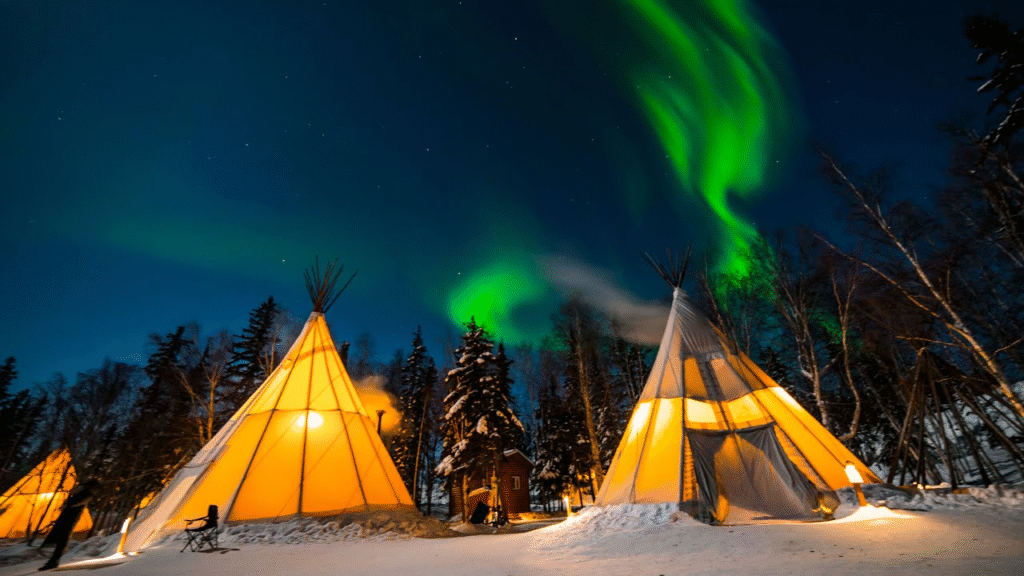
Why it’s excellent:
- Yellowknife sits almost directly under the auroral oval, the region where auroras are most active.
- The terrain around Yellowknife is relatively flat and open, which gives unobstructed skies.
- There are dedicated aurora‑viewing camps and heated facilities (e.g., teepees, domes) designed for comfort while waiting for the lights.
Best time to go:
- Mid‑August through late April is quite good; the darkest months (roughly December to March) maximize your odds.
- Aim for clear, cold nights. The best window is around midnight (approx 10 pm–2 am local) when auroras tend to show.
Tip: Stay a few nights, get away from city light pollution, and check aurora forecast apps to pick nights when solar activity is high.
2. Churchill, Manitoba

Why it’s excellent:
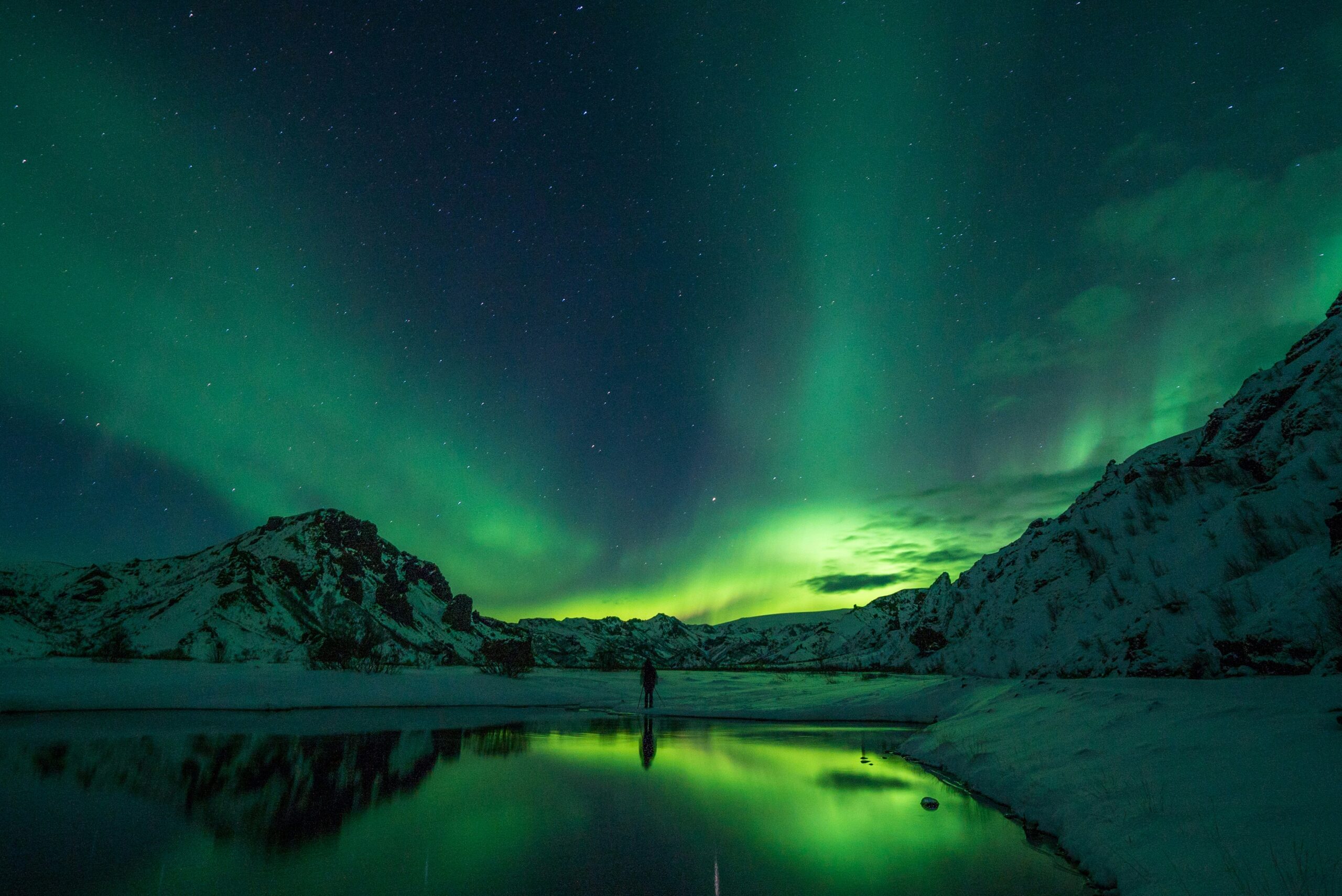
- Churchill lies under the auroral oval and reportedly has up to ~300 nights/year where auroras can be visible.
- You can combine aurora viewing with unique daytime activities — polar bear sightings (in season), beluga whales, tundra buggy rides, and remote landscape.
Best time to go:
- January to March is often cited as prime time for aurora viewing here.
- Ensure you have access to a remote spot (away from light pollution) with clear skies.
Tip: Due to remoteness, plan travel well in advance (flights, accommodations), and prep for very cold conditions. Even if you don’t see vivid auroras all nights, the experience of braving the Arctic environment is memorable.
4. Jasper National Park & Banff National Park, Alberta
Why they’re excellent:
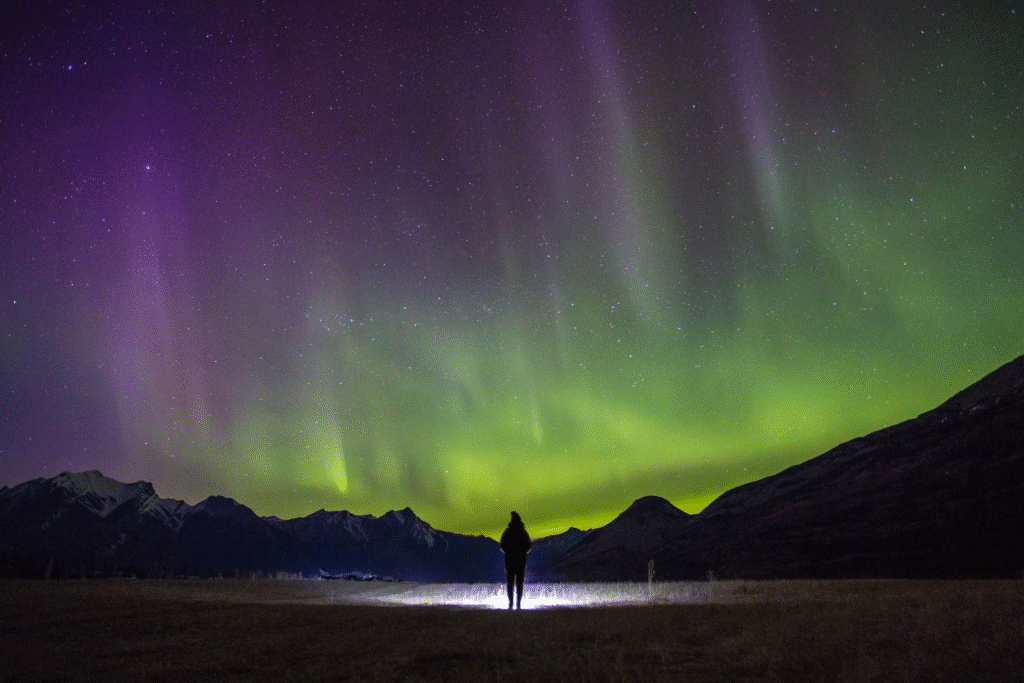
- These parks feature Dark Sky Preserves (especially Jasper) with very low light pollution — ideal for aurora and general stargazing.
- Scenic alpine back‑drops (mountains, lakes) add dramatic foregrounds to any aurora photo.
Best time to go:
- Autumn through early spring (September to April) gives you sufficient darkness.
- Stay in or near the park, and aim for nights when the skies are clear and the aurora forecast is favourable.